Some of the most severe threats to your vision don’t cause pain or sudden symptoms; they develop quietly, over time. That’s why early detection and expert monitoring are key to protecting your sight.
Home » Eye Care Services » Eye Disease Management
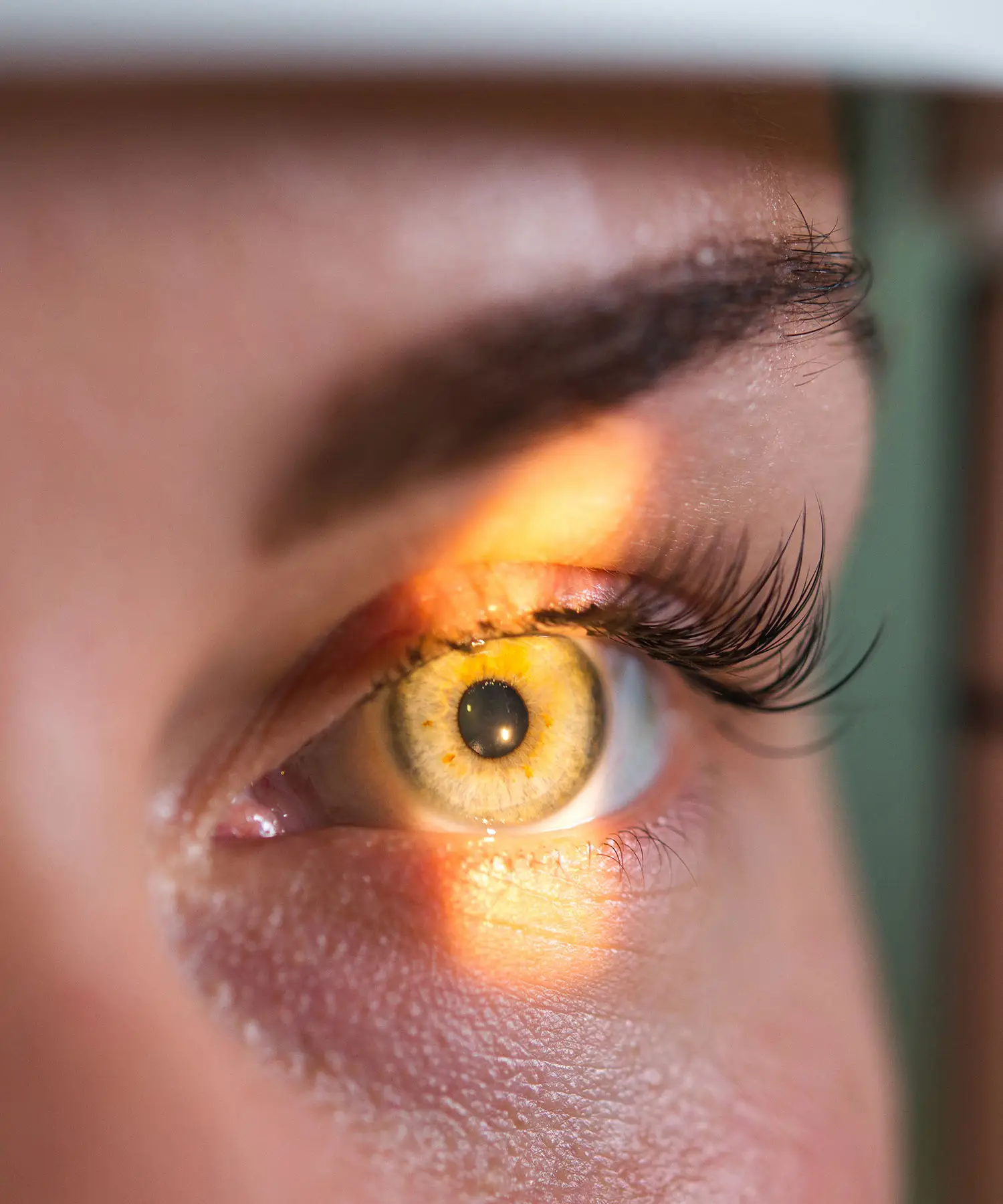
We provide medical management for chronic conditions like diabetic retinopathy, macular degeneration, glaucoma, and other retinal diseases. Our team at Chu Eye Institute offers advanced diagnostics, ongoing monitoring, and personalized care plans to help preserve your vision for the long run.
Whether you’ve been referred by your optometrist, diagnosed with a systemic condition like diabetes, or simply want to be proactive, we’re here to help. While we don’t perform retina surgeries in-house, we manage retinal diseases and refer to trusted surgical specialists when necessary.

We take a proactive, medically guided approach to managing eye conditions. Many diseases that affect vision, like diabetic retinopathy or macular degeneration, can progress without symptoms in the early stages.
Our team uses advanced diagnostic tools to detect even subtle changes in your eye health, including:
Every managment plan is based on your health history, risk factors, and the disease affecting your eyes. If you have a systemic condition like diabetes, we’ll work closely with your primary care physician or endocrinologist to ensure your vision care is aligned with your overall health goals.
Diabetes doesn’t just affect your blood sugar; it can also have a major impact on the delicate blood vessels in your eyes, increasing your risk for vision loss. That’s why patients with diabetes are strongly encouraged to have regular eye exams.
At Chu Eye Institute, we specialize in monitoring and managing diabetic eye diseases, including diabetic retinopathy—a condition that causes damage to the small blood vessels in the retina.
We work closely with your healthcare physician or endocrinologist to ensure your eye care aligns with your overall diabetes management. If diabetic retinopathy progresses to a point where surgical treatment is necessary, we’ll coordinate a timely referral to a trusted retina specialist—while continuing to support your care before and after the procedure.
Age-related macular degeneration (AMD) is one of the leading causes of vision loss in adults over 60. It affects the macula, the central part of the retina responsible for sharp, detailed vision. When the macula begins to break down, you may notice difficulty reading, recognizing faces, or seeing clearly in low light.
There are two main types:
We help patients monitor for early signs of AMD through regular exams and high-resolution retinal imaging. While there’s no cure, early detection and lifestyle adjustments can help slow its progression.
If wet macular degeneration is suspected, we’ll coordinate a fast referral to a retina specialist for advanced treatment, while continuing to monitor and support your care.
Glaucoma can develop slowly, without obvious symptoms, until permanent vision loss has already begun. It’s caused by increased pressure in the eye that damages the optic nerve over time.
We routinely monitor patients who are at risk for glaucoma or have been diagnosed. Using detailed imaging, eye pressure testing, and visual field assessments, we create personalized care plans to protect your sight and slow progression.

Want to learn more about how we treat glaucoma? Explore our laser-based and minimally invasive surgical options designed to safely lower eye pressure and protect your vision with expert, personalized care.
We accept a wide range of insurance plans and are here to help you understand what’s covered, so you can focus on your care, not the paperwork.
If you’ve been diagnosed with an eye disease or you’re managing health issues like diabetes or age-related vision changes, now is the right time to get support. Whether you’re looking for a second opinion, routine monitoring, or a trusted partner in your ongoing care, we’re here to help you protect what matters most: your vision.