
If your vision has become cloudy, hazy, or sensitive to light, the problem may start at the surface of your eye, specifically, the cornea. And when the cornea isn’t functioning properly, even everyday tasks like reading, driving, or recognizing faces can become frustrating
Home » Eye Care Services » Corneal Transplants
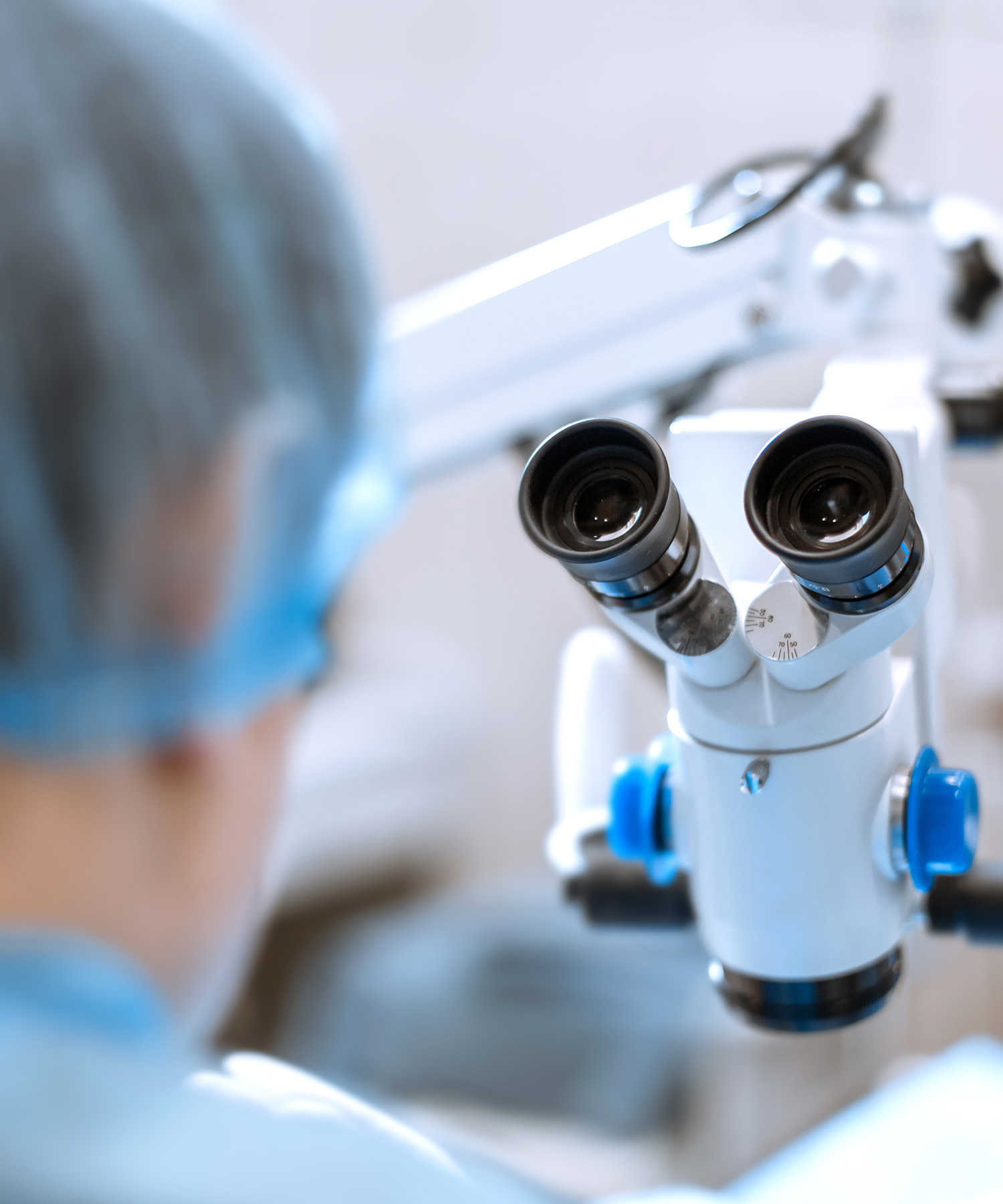
At Chu Eye Institute, we specialize in restoring clarity and comfort through advanced cornea transplant procedures. Our board-certified ophthalmologist and fellowship-trained cornea surgeon has extensive experience treating conditions like Fuchs’ dystrophy, bullous keratopathy, and cornea scarring. Using advanced techniques, Dr. Richard Chu replaces the damaged layers of the cornea to restore your vision, improve your comfort, and help you return to the things you love.
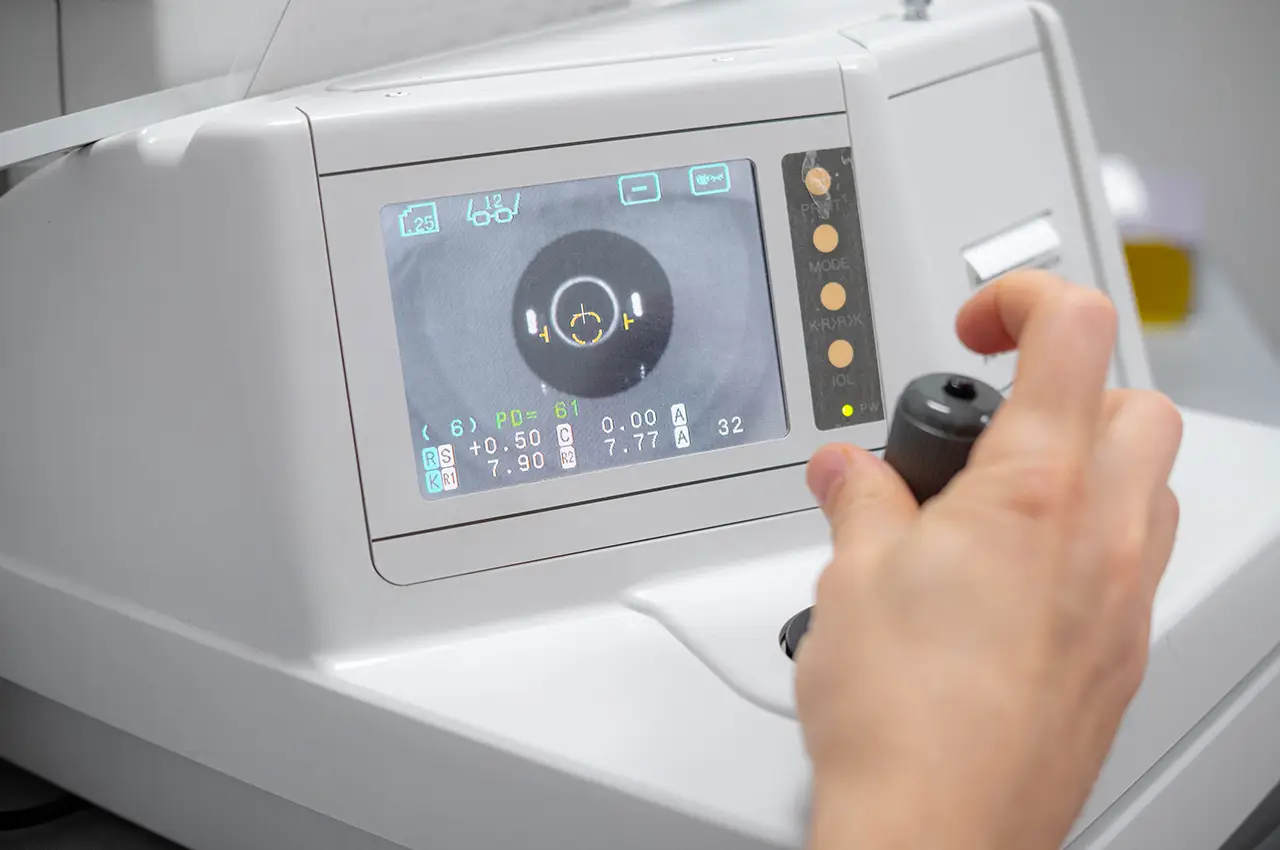
The cornea is the clear, dome-shaped surface that covers the front of your eye. It helps focus light, protects the inner eye from dust and germs, and plays a major role in how you see. When the cornea becomes damaged, that clarity can be lost, causing everything from blurred vision and glare to discomfort or sensitivity to light.
Cornea transplants are typically recommended when the cornea’s inner layers stop working as they should be. These conditions can cause swelling, distortion, or cloudiness that no glasses or eye drops can correct. Below are some of the most common reasons a cornea transplant may be needed.
Fuchs is a progressive condition that causes the innermost layer of the cornea to deteriorate. As the cells break down, fluid builds up, leading to swelling, blurry vision, and a cloudy appearance, especially in the morning. Cornea transplant surgery can replace the damaged layer and restore clear vision.
This condition often develops after cataract surgery or other eye procedures when the cornea cells are no longer able to maintain proper fluid balance. The result is painful blisters (or “bullae”) on the cornea surface and reduced visual clarity. A transplant can relieve discomfort and improve sight by replacing the damaged tissue.
Injury, infection, or past surgery can all lead to permanent scarring on the cornea. Depending on the location and severity, these scars can distort vision and make daily tasks difficult. Transplanting clear, healthy tissue can help improve visual quality.
If the cornea remains swollen for an extended period, it may begin to thicken, lose its transparency, or become painful. When eye drops or other treatments no longer work, a partial-thickness transplant can help reduce swelling and bring back visual clarity.
We offer two of the most advanced types of cornea transplant procedures: DSEK (Descemets Stripping Endothelial Keratoplasty) and DMEK (Descemet Membrane Endothelial Keratoplasty). These are called partial-thickness transplants because they replace only the damaged inner layers of the cornea, leaving the healthy outer layers untouched.
This approach offers several key benefits:
DSEK is a slightly thicker graft that may be preferred for certain eyes or when more support is needed, while DMEK uses an even thinner layer of donor tissue, producing sharper vision and faster healing.
As a fellowship-trained cornea surgeon, Dr. Richard Chu has extensive experience performing both DSEK and DMEK procedures for patients with Fuchs’ dystrophy, bullous keratopathy, and other causes of endothelial dysfunction.
Cornea transplant surgery at our Fort Worth eye clinic is performed with precision, care, and your comfort in mind. While feeling a little nervous is normal, most patients find the experience easier than expected.
Your journey starts with a thorough consultation and eye exam. Dr. Richard Chu will explain your condition, discuss the best treatment option, and review your medical history. You’ll also receive clear pre-operative instructions and have plenty of time to ask questions.
Cornea transplant surgery is typically performed on an outpatient basis, meaning you go home the same day. The procedure itself usually takes 30 to 60 minutes and is done under local anesthesia. The damaged layer of your cornea is gently removed and replaced with healthy donor tissue.
You’ll need to rest for the first day or two and wear an eye shield to protect the eye. Most patients notice gradual improvement in their vision over the first few weeks, with full results continuing to develop over several months. You’ll return for regular follow-up visits so we can monitor your healing.

Learn more about the insurance plans we accept and how we can help make your surgical care as accessible and stress-free as possible.
Refer your patients to Chu Eye Institute for advanced surgical care. We’ll collaborate closely with you throughout the process to ensure seamless communication and the best possible outcomes.
If cornea disease is affecting your vision, you don’t have to navigate it alone. Schedule a consultation to learn more about your treatment options and find out whether a cornea transplant is right for you.